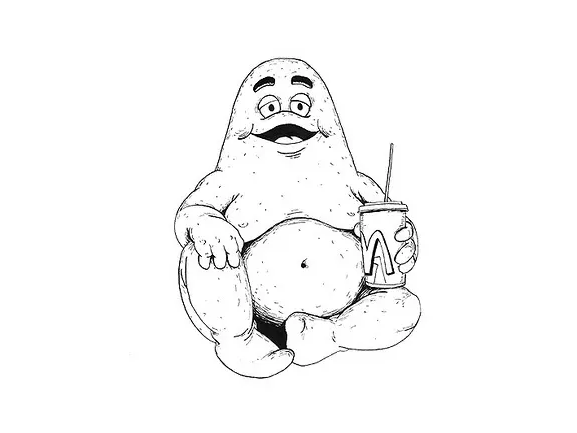
Leo McCarey, 1933. My absolute favorite episodes of Looney Tunes were the ones where celebrities of the day would make appearances.
I’d have no idea who they were, but the caricatures were so distinct it filled me with a sense of great mystery. Who were these larger than life characters that crossed the boundary from real into cartoon life?
It spoke to a world I wasn’t yet a part of, a distinguished and sophisticated place inhabited by forbidden things awaiting my discovery.
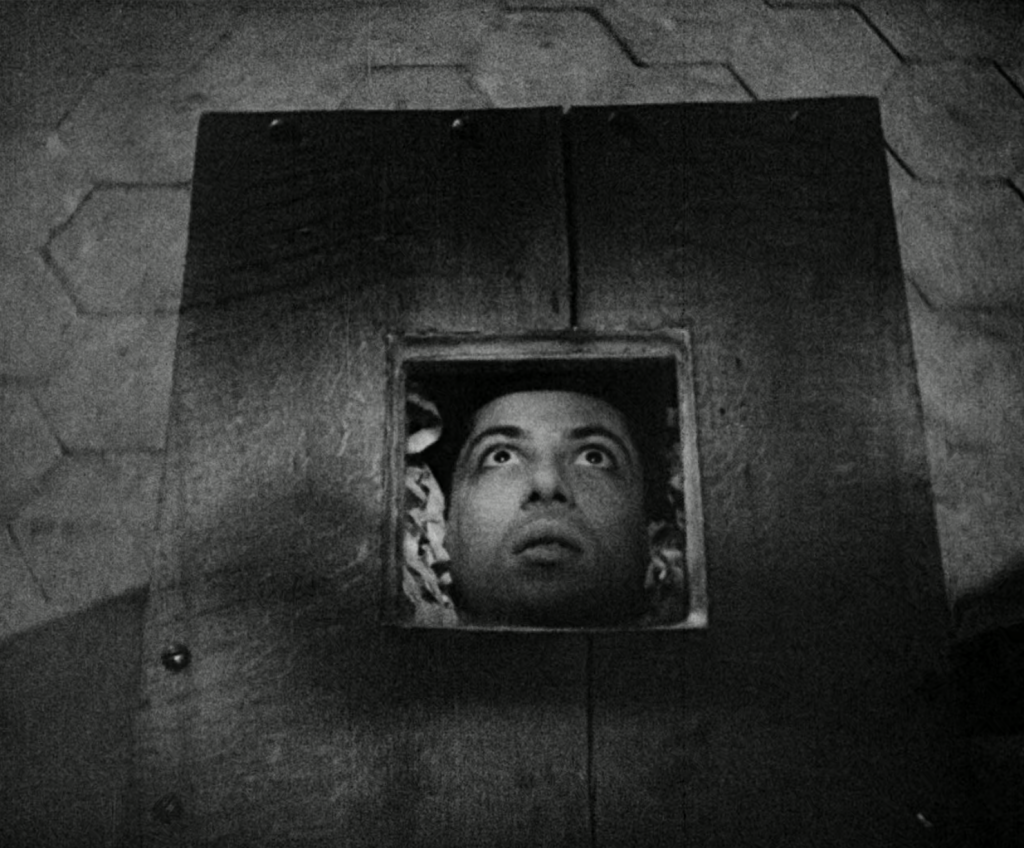
Carl Theodor Dryer, 1932. Dryer is a master of disquiet. The same feeling of general unease is a constant in both this film and another of my favorites, The Passion of Joan of Arc. There’s a sense no one is coming to help, the world we’re living in is controlled by evil, and the greatest horrors remain yet unseen.
To be young Allan Gray is to be stuck in a dream you can barely discern from reality, moving more slowly than you’d prefer, and with no option to run from or fight that which you encounter. Instead, you must bear witness. I will try to explain:
When you become cognizant within your own dream, and in doing so, want to end the dream, often it seems obvious to simply allow yourself to die. But to conjure your own destruction requires a supreme amount of confidence in the fact you are, indeed, dreaming. This is likely why people inebriated by large amounts of psychedelics occasionally will jump from a bridge. The line between what is real and what is not becomes so blurred they start considering options perfectly reasonable within a dream, but ill-suited to the physical realm. Like, for example, jumping off a bridge.
So how would you feel if you were certain you were dreaming and embraced your death for the sake of ending the dream, only to find death impossible and your own awareness condemned to the realm where death was preferable? I would imagine its similar to the the feeling you get watching Vampyr: The Dream of Allan Gray.
F.W. Murnau, 1931. Good, clean fun in the South Seas. Murnau worked with Robert J. Flaherty (director of famed documentaryNanook of the North) for the first half of the film, so he got away with some skin for purely educational purposes. Flaherty quit, and Murnau forged ahead to make a visually stimulating It’s A Small World meets Romeo and Juliet.
Tragedy befell more than just the film’s characters however, as its director would die a week before its release in a car accident, robbing the world of any additional Murnau films.
I will keep watching, I will keep watching, I will keep watching.
Mário Piexoto, 1931. Before I knew anything about this film, I was pronouncing the title “lie-might”, as if it was some kind of a construction material you would apply to your patio. I imagined this chemical taking a very long time to dry. In reality, it’s pronounced differently (lee–meech, Portugese for “limit”), but this quality of a make-believe compound is remarkably similar to that of the film itself in that there are better things to do than watch it while you wait for it to do whatever it’s supposed to do.
Critics love it because it’s experimental, avante garde, etc. They drool over the extended montage of breaking waves to celebrate a “visual poem” that eschews any kind of narrative. I’ll take their word for it that Piexoto broke some barriers, but to me, Limite is a twenty-two year old using the camera as a masturbatory aide; a promising but immature director in desperate need of an editor to forcefully remove his hand from the camera and put an end to all the gooning.
It has its place in the curriculum of silent world cinema but that is, without question, its limite.
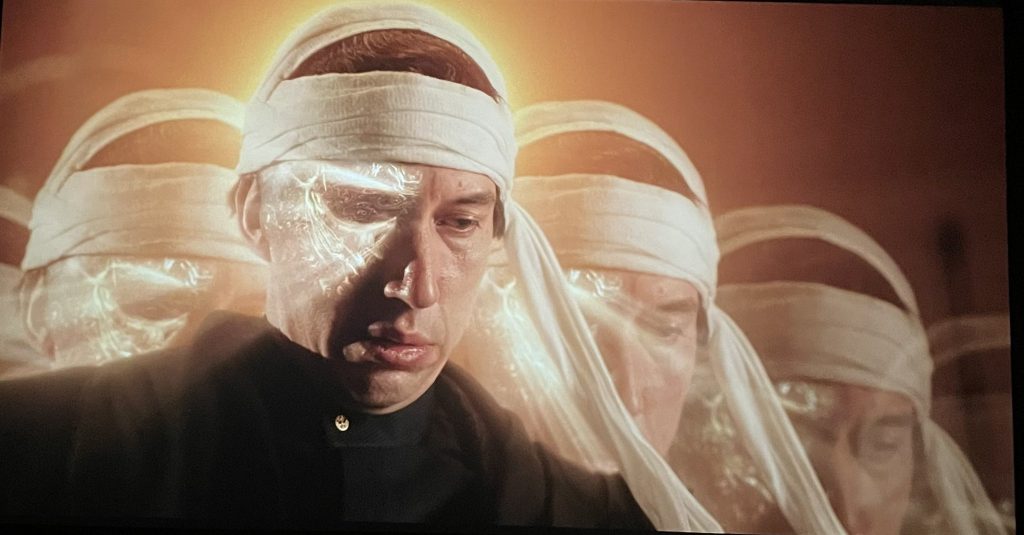
Francis Ford Coppola, 2024. Thrilling performances that exist within their own vacuum. Pygmalion (and other classics haphazardly injected into the screenplay) as Meisner exercise. Imaginative compositions made to look sci-fi-on-the-CW-Network cheap. Stilted dialogue in service of nothing more than the sound of it being spoken.
I share these impressions stochastically and without further development to mirror the experience of viewing the latest, and likely last, film of Francis Ford Coppola.
The film’s celebrants (and there are seemingly few) want me to believe it’s like this on purpose. That everything is supposed to be sloppy, absurd, and nonsensical. That Coppola’s vision is simply too vast to be grasped in the year 2024. I certainly understand the impulse. When I left the theater, I tried desperately to find some lens of criticism that didn’t view this film as an unmitigated disaster, and the only one that worked was it being some grand statement on the futility of dying with one’s treasure; a mad genius burning all his money to launch a million seaward harpoons on the off chance of fatally striking that awful White Whale.
Coppola clearly missed but remained fortunate enough to have caught plenty of exotic, strange looking fish in the form of memorable lines spoken by his actors. These will live on in midnight showings for years to come, received by an audience who will ritualistically shout them back at the screen a la The Room and leave the theater absolutely giddy they live in a world where the director who made The Godfather also made Megalopolis: a film they will brag to whomever will believe them was one they saw opening weekend, the one and only time it was intended to be taken seriously.