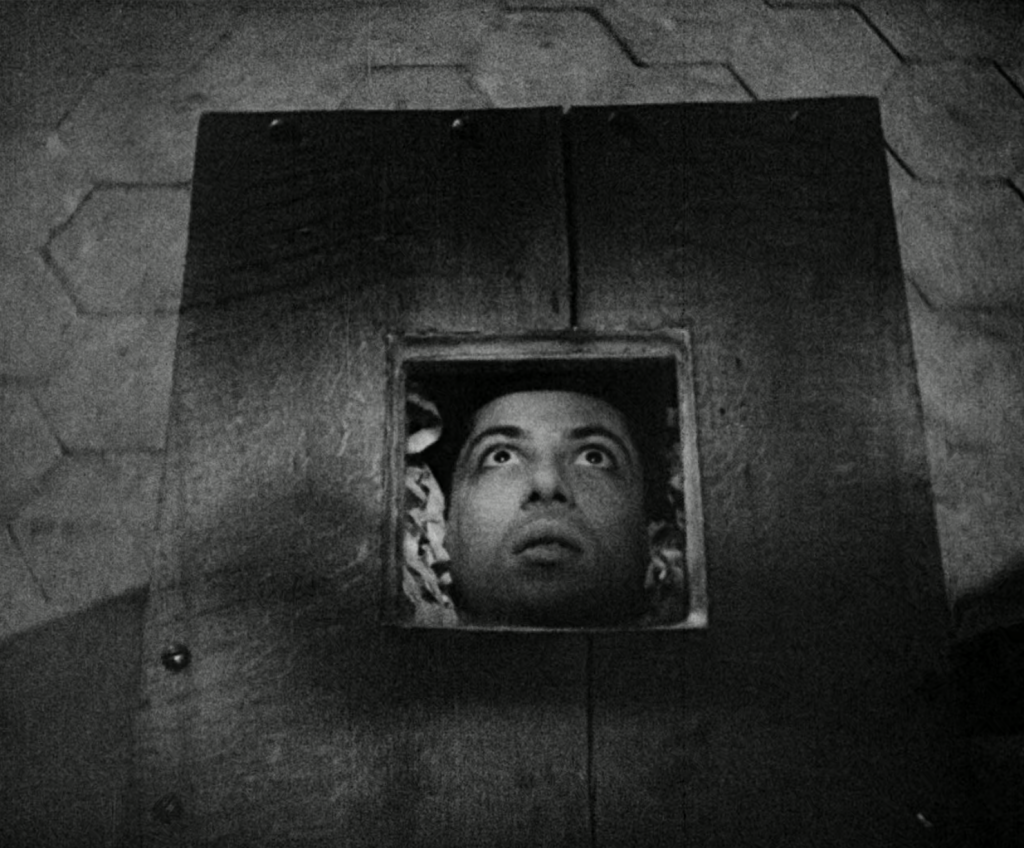
Carl Theodor Dryer, 1932. Dryer is a master of disquiet. The same feeling of general unease is a constant in both this film and another of my favorites, The Passion of Joan of Arc. There’s a sense no one is coming to help, the world we’re living in is controlled by evil, and the greatest horrors remain yet unseen.
To be young Allan Gray is to be stuck in a dream you can barely discern from reality, moving more slowly than you’d prefer, and with no option to run from or fight that which you encounter. Instead, you must bear witness. I will try to explain:
When you become cognizant within your own dream, and in doing so, want to end the dream, often it seems obvious to simply allow yourself to die. But to conjure your own destruction requires a supreme amount of confidence in the fact you are, indeed, dreaming. This is likely why people inebriated by large amounts of psychedelics occasionally will jump from a bridge. The line between what is real and what is not becomes so blurred they start considering options perfectly reasonable within a dream, but ill-suited to the physical realm. Like, for example, jumping off a bridge.
So how would you feel if you were certain you were dreaming and embraced your death for the sake of ending the dream, only to find death impossible and your own awareness condemned to the realm where death was preferable? I would imagine its similar to the the feeling you get watching Vampyr: The Dream of Allan Gray.
Leave a Reply
You must be logged in to post a comment.